Eating Disorder Therapy in Elkton, Maryland
Eating disorder therapy offers a supportive place to untangle your relationship with food, your body, and emotions. Together, we can explore what you are going through and practice safer, more sustainable ways to cope with stress, shame, and self-criticism.
When Food and Your Body Have Become a Constant Battle
Your relationship with food has become complicated in ways that are hard to explain. It's not as simple as eating or not eating. It's the constant mental noise, the calculations, the rules, the guilt, the sense that you're never getting it right.
Maybe you think about food more than you want to. Maybe you've developed rituals or restrictions that control more of your life than you'd like to admit. Maybe you use food to cope with emotions you don't know how else to handle.
You might look fine to everyone else. You've gotten good at hiding it, at performing normalcy around meals. The exhaustion isn't just physical, it's the mental energy consumed by thoughts about food, eating, and your body. It's the shame you carry about behaviors you can't seem to stop.
If this feels familiar, you're not alone.
Understanding Eating Disorder Counseling in Maryland
Eating disorder therapy is specialized support for people struggling with their relationship to food, eating, and their body. It addresses the emotional drivers underneath disordered eating patterns, not just the behaviors themselves.
Eating struggles exist on a spectrum. Some people meet criteria for clinical diagnoses; others experience disordered patterns that significantly impact their lives without fitting neatly into categories. Both deserve support.
Disordered eating often serves a purpose, even when it's harmful. It might be a way to feel control, cope with difficult emotions, or manage anxiety. Therapy helps you understand these patterns, develop alternative coping strategies, and build a relationship with food that feels less consuming and more sustainable.
Why Choose Clearmind for Eating Disorder Therapy
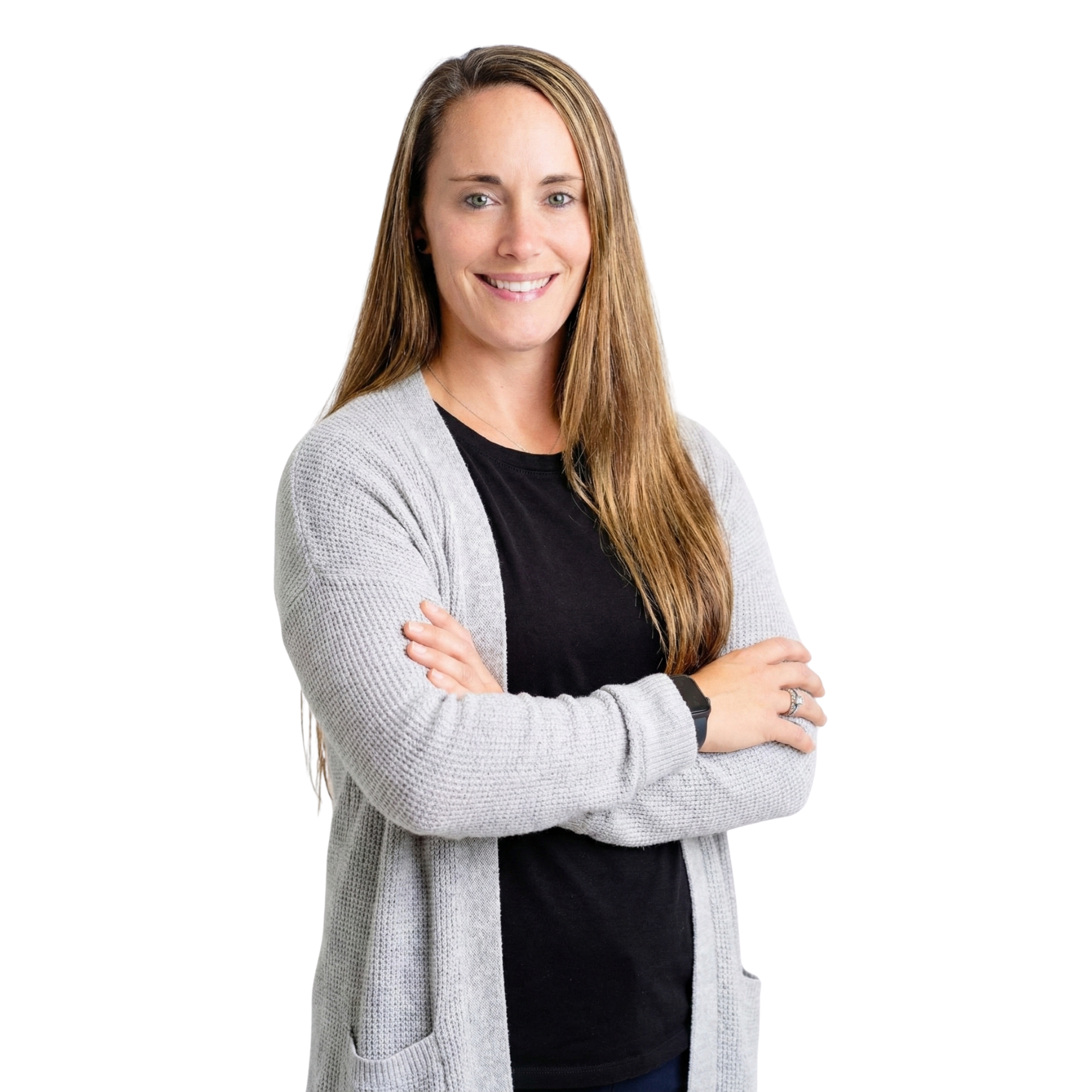
I'm Jessica Buranen, and I understand how eating struggles can affect adults in ways that may not be named yet. The secrecy and shame that surrounds food behaviors. The fear of being judged by providers who don't understand. The exhaustion of fighting a battle no one else can see.
I've received additional training in eating disorders because this work requires specialized care. Many clients come to me after negative experiences with providers who focused only on behaviors without understanding what was underneath.
In our work together, I bring compassion and patience. I won't judge your behaviors or make you feel broken. We'll work to understand what your eating patterns are trying to do for you, develop healthier ways to meet those needs, and build a relationship with food that takes up less mental space. This is sensitive work, and we'll move at whatever pace feels safe.
Benefits of Eating Disorder Therapy
Working with a therapist who specializes in eating concerns can create shifts you might not expect. Some clients notice the mental noise around food quieting first. Others find they're developing new ways to cope with emotions. Change often happens gradually, in moments of freedom that build over time.
Less Mental Load
Food thoughts may take up less space as you feel safer around meals, respond to urges with support, and refocus on what matters most again.
Less Mental Load
Other ways to manage emotions may develop as you identify triggers, practice skills for calming body, and learn to express needs without turning to food.
More Freedom
Flexibility around food may slowly increase as rigid rules soften, more options feel safe, and you begin to participate in meals and occasions with comfort.
The Therapy Process for Eating Disorder Support
Sessions with me are a space where you can be honest about what's really happening, without judgment, without shame. I show up as a calm, accepting presence who can hold the complexity of what you're navigating.
We'll start by understanding your relationship with food and your body. What patterns have developed. What triggers them. What purpose they might be serving. From there, we'll work on understanding the emotions underneath and building alternative ways to cope.
This isn't about willpower or meal plans. It's about understanding the whole picture, the anxiety, the control, the emotions you've been managing through food, and finding healthier ways to meet those needs. We'll move at your pace, and you'll always have a say in where we go.
Ready To Feel A Little Less Ruled By Food?
When thoughts about eating, numbers, or your body take over most of the day, even simple choices can feel exhausting. You do not need a certain diagnosis or body size to deserve support. A brief consultation is a gentle place to share what has been going on, ask questions, and see whether eating disorder therapy feels like a good fit for you.
What Life May Feel Like with Eating Disorder Support
Imagine eating without the constant mental commentary. Imagine getting through a meal without guilt or anxiety. Imagine your body feeling like something you live in rather than something you're at war with.
With the right support, food may start to take up less mental space. The rules may loosen. The shame may begin to lift. You may find yourself with more energy for other things, relationships, interests, rest.
This isn't about achieving a perfect relationship with eating. It's about finding freedom from the patterns that have been controlling you. Many clients describe feeling lighter. That sense of freedom is possible for you too.
Beginning Life Eating Disorder in Maryland
Getting started requires courage, and reaching out is a significant step. You don't need to have a diagnosis or have your struggles figured out. You just need to be ready to explore what's happening.
‣ Step 1
Schedule a Consultation
Contact me for a free consultation. We'll talk about what you're experiencing and whether working together feels right. This conversation is confidential and judgment-free.
‣ Step 2
First Session
We'll meet virtually and start exploring your relationship with food and your body. No pressure to share more than feels comfortable.
‣ Step 3
Take Small Steps
Together, we'll create an approach based on your specific patterns and needs, moving at whatever pace feels safe.
Insights from Supportive Eating Disorder Therapy
As clients begin to understand their eating patterns and build healthier coping strategies, they often share realizations that shift their relationship with food and themselves. Many come to see that their eating behaviors were trying to help them cope, even when those behaviors caused harm. People often tell me they did not realize how much mental energy food was consuming until that pressure started to ease. Clients sometimes discover that the eating struggle was deeply connected to emotions they had not addressed. Many notice that self-compassion supports healing far more than self-criticism ever did. Clients frequently tell me they forgot what it felt like to eat without anxiety.
FAQs About Eating DisorderTherapy
Do I need a diagnosis to work with you?
No. I work with clients across the spectrum of eating concerns, from clinical diagnoses to disordered patterns that don't fit neatly into categories. If your relationship with food is causing distress, that's enough.
Is this therapy appropriate for me if I'm medically stable?
I provide outpatient individual therapy for clients who are medically stable. If you need a higher level of care, I can help you find appropriate resources.
Will you make me follow a meal plan?
No. My approach focuses on understanding what's driving your eating patterns, not on controlling your food intake. We work on the emotional and psychological aspects.
Is eating disorder therapy available virtually?
Yes. All sessions are via secure video, which can provide privacy and comfort during sensitive conversations.
How long does eating disorder therapy take?
Recovery is different for everyone. Some clients benefit from several months of support; others need longer-term care. We'll regularly check in and adjust based on what you need.
Ready to Take the Next Step?
You Do Not Have To Face Food Struggles Alone
Eating concerns often come with shame, secrecy, and the feeling that no one would understand if you told the full story. You are not alone in this. Together, we can look at how food and body worries are affecting your life, consider what you would like to feel different, and explore supportive next steps at a pace that feels manageable.